Pages

Showing posts with label fraud. Show all posts

Tuesday, October 22, 2024

Online Job Scams - Beware

Online job scams have become increasingly prevalent, with thousands of people falling victim each year. Here are some tips to help you stay alert and avoid becoming a target of

hashtag

jobfraud.

1. Be Cautious of Unfamiliar Job Offers:

  • Research the Company: Always verify the legitimacy of a company before applying for a job. Check their website, social media presence, and online reviews.

  • Beware of Urgent Requests: Be wary of job offers that require immediate action or personal information without proper vetting.

2. Avoid Prepayment Requests:

  • Legitimate Employers Never Ask for Money: Never pay for job applications, interviews, or training materials. If you're asked to pay upfront, it's likely a scam.

3. Be Skeptical of Excessive Promises:

  • Unrealistic Offers: If a job offer seems too good to be true, it probably is. Be cautious of promises of high earnings with minimal effort.

4. Use Secure Communication Channels:

  • Avoid Personal Information: Never share sensitive personal information, such as your Social Security number, bank account details, or credit card information, over email or text.  
  • Prefer Official Company Email: Always communicate with potential employers using official company email addresses.

5. Conduct Thorough Research:

  • Online Forums and Communities: Check online forums and communities for discussions about the company or job offer.

  • Government Resources: Consult government websites and resources for information on common scams.

6. Trust Your Instincts:

  • If Something Seems Off: If a job offer feels suspicious or uncomfortable, trust your gut and walk away.

Additional Tips:

  • Avoid Over-Sharing Personal Information: Be mindful of what personal information you share online, especially on social media.

  • Use Strong Passwords: Protect your online accounts with strong, unique passwords.

  • Be Cautious of Phishing Attempts: Be aware of phishing emails or calls that attempt to trick you into revealing personal information.

By following these guidelines, you can significantly reduce your risk of falling victim to online job scams and protect your personal and financial information.

To prevent people from becoming victim of this hashtagjobscam, the Union Ministry Of Home Affairs (mha), GOI has come with five indicators of a bogus online job offer.

Here are few indicators to spot a fake online job offer

• You got the appointment letter too quickly after the initial chat
• Vague job requirement/ job description in the appointment/ offer letter
• Emails are written unprofessionally
• You are asked to provide confidential information
• You are asked to pay for your job offer

If you are a victim of hashtagcybercrime, register your complaint at http://cybercrime.gov.in While these measures have been effective in addressing online job scams to some extent, it's important for individuals to remain vigilant and take proactive steps to protect themselves.

Wednesday, March 9, 2022

BE(A)WARE – A Booklet on Modus Operandi of Financial Frauds by the RBI

As a part of the public awareness initiative by the Consumer Education and Protection Department, Reserve Bank of India, conceptualized by the office of Ombudsman, Mumbai-II, the Reserve Bank of India ("RBI") has on March 07, 2022, released a booklet, “BE(A)WARE” on the common modus operandi used by fraudsters and precautions to be taken while carrying out various financial transactions.

The booklet aims to enhance public awareness about various types of financial frauds perpetrated on gullible customers while carrying out digital payments and other financial transactions.

The booklet elaborates on safeguards against commonly used fraudulent techniques, such as SIM swaps, vishing/phishing links, lottery, etc., including fake loan websites and digital apps.

Part A and B of the booklet detail the commonly observed modus operandi and precautions to be taken against fraudulent transactions relating to banks and non-banking financial companies (NBFCs), respectively.

Part C of the booklet explains the general precautions and digital hygiene to be followed by the public.

The final section contains a glossary of commonly used terminologies in the performance of financial transactions with banks and other regulated entities of RBI to improve understanding thereof among the public.

Click here to access and download the Booklet - BE(A)WARE

Source: RBI Press Release: 2021-2022/1817

#BeAware #BeSecure #StaySafe #rbikehtahai #BeCyberSmart #DPAW #DigitalPaymentsAwarenessWeek

Monday, May 4, 2020

Penal provisions for fake posts in the times of the Corona Virus

Karnataka State Police in collaboration with Check4Spam to counter rumours amid the coronavirus outbreak has initiated a portal to verify any suspected news and also upload the content for its verification and clarification.  It is urged to the public not circulate any unverified news concerning coronavirus, which is likely to create panic and disturb social tranquillity. 
Penal provisions under Indian Laws:
Information Technology ACT, 2000
Section 66C- Punishment for identity theft. – Whoever, fraudulently or dishonestly make use of the electronic signature, password or any other unique identification feature of any other person, shall be punished with imprisonment of either description for a term which may extend to three years and shall also be liable to fine which may extend to rupees one lakh.
The Disaster Management ACT, 2005
Section 54. Punishment for false warning.
Whoever makes or circulates a false alarm or warning as to disaster  or its severity or magnitude, leading to panic, shall on conviction, be  punishable with imprisonment which may extend to one year or with  fine. —Whoever makes or circulates a false alarm or warning as to disaster or its severity or magnitude, leading to panic, shall on  conviction, be punishable with imprisonment which may extend to  one year or with fine.
Indian Penal Code
Section 153. Wantonly giving provocation with intent to cause  riot- if rioting be committed- if not committed.-
Whoever, malignantly, or wantonly by doing anything which is illegal, gives provocation to any person intending or knowing it to be likely that such provocation will cause the offence of rioting to be committed, shall, if the offence of rioting be committed in consequence of such provocation, be punished with imprisonment of either description for a term which may extend to one year, or with fine, or with both; and if the offence of rioting be not committed, with imprisonment of either description for a term which may extend to six months, or with fine, or with both.
Section 153A: Promoting enmity between different groups on grounds of religion, race, place of birth, residence, language, etc., and doing acts prejudicial to maintenance of harmony.—
Whoever—
(a) by words, either spoken or written, or by signs or by visible representations or otherwise, promotes or attempts to promote, on grounds of religion, race, place of birth, residence, language, caste or community or any other ground whatsoever, disharmony or feelings of enmity, hatred or ill-will between different reli­gious, racial, language or regional groups or castes or communi­ties, or
(b) commits any act which is prejudicial to the maintenance of harmony between different religious, racial, language or regional groups or castes or communities, and which disturbs or is likely to disturb the public tranquillity, ……………….
(2) Whoever commits an offence specified in sub-section (1) in any place of worship or in any assembly engaged in the performance of religious wor­ship or religious ceremonies, shall be punished with imprisonment which may extend to five years and shall also be liable to fine.]
Section 182. False information, with intent to cause public servant to use his lawful power to the injury of another person.—
Whoever gives to any public servant any information which he knows or believes to be false, intending thereby to cause, or knowing it to be likely that he will thereby cause, such public servant—
(a) to do or omit anything which such public servant ought not to do or omit if the true state of facts respecting which such information is given were known by him, or
(b) to use the lawful power of such public servant to the injury or annoyance of any person, shall be punished with imprisonment of either description for a term which may extend to six months, or with fine which may extend to one thousand rupees, or with both.
Section 188. Disobedience to order duly promulgated by public servant.
Whoever, knowing that, by an order promulgated by a public serv­ant lawfully empowered to promulgate such order, he is directed to abstain from a certain act, or to take certain order with certain property in his possession or under his management, disobeys such direction, shall, if such disobedience causes or tends to cause obstruction, annoyance or injury, or risk of obstruction, annoyance or injury, to any person lawfully employed, be punished with simple impris­onment for a term which may extend to one month or with fine which may extend to two hundred rupees, or with both; and if such disobedience causes or trends to cause danger to human life, health or safety, or causes or tends to cause a riot or affray, shall be punished with imprisonment of either description for a term which may extend to six months, or with fine which may extend to one thousand rupees, or with both. 
Section 269. Negligent act likely to spread infection of disease danger­ous to life.
Whoever unlawfully or negligently does any act which is, and which he knows or has reason to believe to be, likely to spread the infection of any disease dangerous to life, shall be punished with imprisonment of either description for a term which may extend to six months, or with fine, or with both.
Section 270. Malignant act likely to spread infection of disease danger­ous to life.
Whoever malignantly does any act which is, and which he knows or has reason to believe to be, likely to spread the infection of any disease dangerous to life, shall be punished with imprisonment of either description for a term which may extend to two years, or with fine, or with both.
Section 336. Act endangering life or personal safety of others.
Whoever does any act so rashly or negligently as to endanger human life or the personal safety of others, shall be punished with impris­onment of either description for a term which may extend to three months, or with fine which may extend to two hundred and fifty rupees, or with both.
Section 465. Punishment for forgery.
Whoever commits forgery shall be punished with imprisonment of either description for a term which may extend to two years, or with fine, or with both.
Section 505. Statements conducing to public mischief.
(1) Whoever makes, publishes or circulates any statement, rumour or report,—
(a) with intent to cause, or which is likely to cause, any offi­cer, soldier, 3[sailor or airman] in the Army, 4[Navy or Air Force] 5[of India] to mutiny or otherwise disregard or fail in his duty as such; or
(b) with intent to cause, or which is likely to cause, fear or alarm to the public, or to any section of the public whereby any person may be induced to commit an offence against the State or against the public tranquillity; or
(c) with intent to incite, or which is likely to incite, any class or community of persons to commit any offence against any other class or community, shall be punished with imprisonment which may extend to 6[three years], or with fine, or with both. 7[(2) Statements creating or promoting enmity, hatred or ill-will between classes.—Whoever makes, publishes or circulates any statement or report containing rumour or alarming news with intent to create or promote, or which is likely to create or promote, on grounds of religion, race, place of birth, residence, language, caste or community or any other ground whatsoever, feelings of enmity, hatred or ill-will between different reli­gious, racial, language or regional groups or castes or communi­ties, shall be punished with imprisonment which may extend to three years, or with fine, or with both.
(3) Offence under sub-section (2) committed in place of worship, etc.—Whoever commits an offence specified in sub-section (2) in any place of worship or in an assembly engaged in the performance of religious worship or religious ceremonies, shall be punished with imprisonment which may extend to five years and shall also be liable to fine.]

Friday, August 3, 2018

My Quora Answer about Action against Bank Officers

My Quora Answer to:

What sort of legal action can be taken against bank officers for continuously ignoring unfair trade practices complaints? What sort of legal action can be taken against bank corporate office for not taking any action against it's own officers?


If your bank does not address your complaint within a month, you can approach the banking ombudsman. This is a senior official appointed by the Reserve Bank of India to redress customer complaints against deficiency in banking services, as per its scheme introduced in 1995. All scheduled commercial banks, regional rural banks and scheduled primary cooperative banks are covered under the scheme. So far, there are 15 ombudsmen, whose offices are located mostly in state capitals. Their addresses and contact details are available on the RBI website. You have to file the complaint at the office of the ombudsman under whose jurisdiction your bank branch is located. The grievances relating to credit cards and other types of services with centralised operations are to be filed with the ombudsman in whose territorial jurisdiction the billing address of the customer is located. You can put it down on a plain paper, send an e-mail, or fill the complaint form on the RBI website. There are no charges for filing a complaint.
The Banking Ombudsman Scheme is an expeditious and inexpensive forum for bank customers for resolution of complaints relating to certain services rendered by banks. The Banking Ombudsman Scheme is introduced under Section 35 A of the Banking Regulation Act, 1949 by RBI with effect from 1995. Presently the Banking Ombudsman Scheme 2006 (As amended upto July 1, 2017) is in operation. [1] The addresses of the Ombudsman are here : link . Before filing the complaint, have a look at the types of the cases handled by the Banking Ombudsman, listed here.
Hope this answers your question.
Footnotes

Wednesday, May 18, 2016

Create Awareness against QNET and other phony MLM Ponzi schemes

An article about the Awareness of the Ponzi and MLM schemes.

We all have friends who -
1. Have suddenly started up their dream business
2. But it's a secret
3. Don't even tell you the name of their business but they keep telling you I am into a business
3. Have their Facebook full of motivational quotes
4. Claim that they have suddenly become rich
5. They visit Malaysia and Dubai and post pictures having fun there and call it a business trip ! These are the only guys who have fun during a business trip it seems. (Reality: They bought the tickets by themselves only to post pictures so that their innocent friends would think that they are doing something really cool)
6. No matter how much you ignore them, they will keep on calling you till their last breath. We already know that this is not the characteristics of a person who has even 10% self respect in him/her.
7. And then one day they tell you that they have an open position of a Business Partner. He also tells you that he trusts you a lot and hence has arranged a meeting with his seniors to introduce you, probably in a CCD :-p
8. They tell you that you can earn more than 4 crores in just a few years but do not tell you exactly what is your role in the business, But overall this guy looks so convincing that you almost feel that if you do not join him, you will miss out !
9. He makes you feel that you are running in a Rat Race by working in your current job and that their Business is the only way to change your life.

If you have experienced this and escaped, Congrats ! You are one of the Lucky Ones ! Sadly, Not everyone escapes, some join it only to lose their money because they chose not to dupe more people.

This post is issued in public interest so that all of us can understand there is no short cut to success.

Please Please Please share this post and help us create awareness against QNET. This is the only way to save your closed ones from getting cheated.

Source - Facebook post

Sunday, March 13, 2016

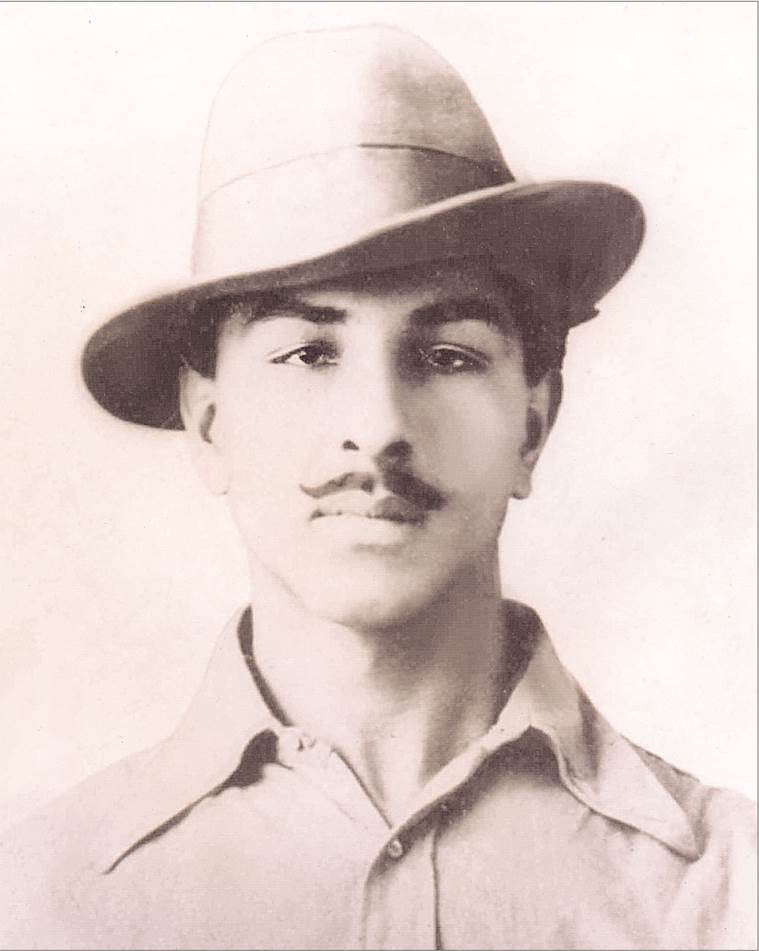
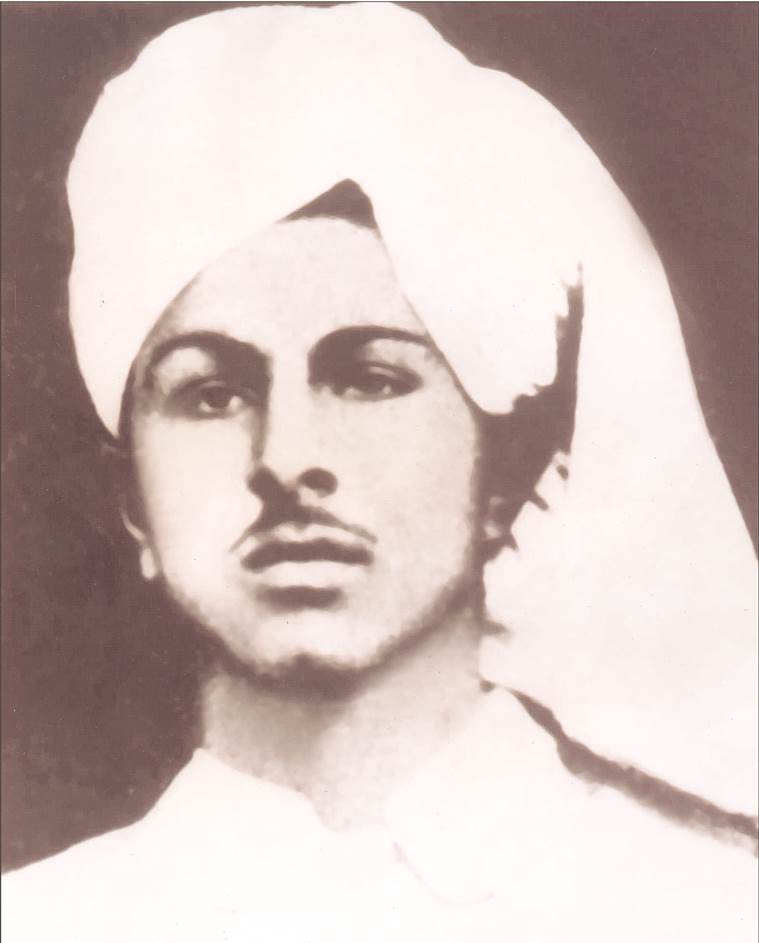
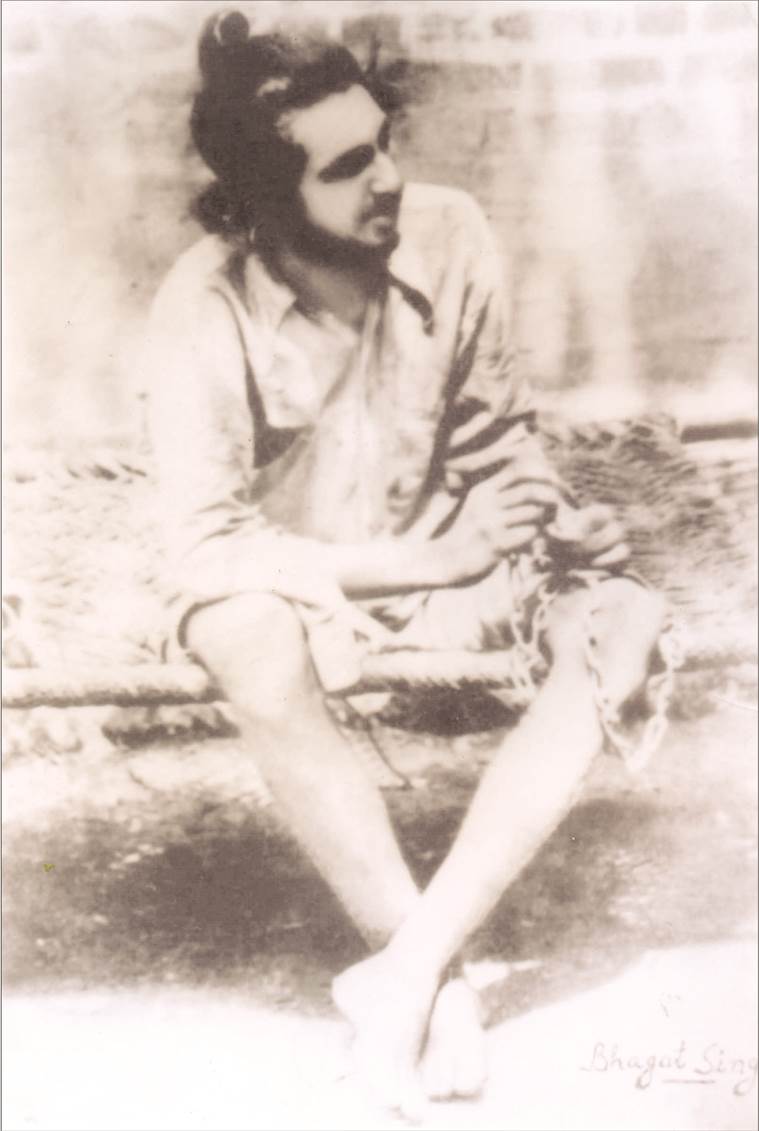
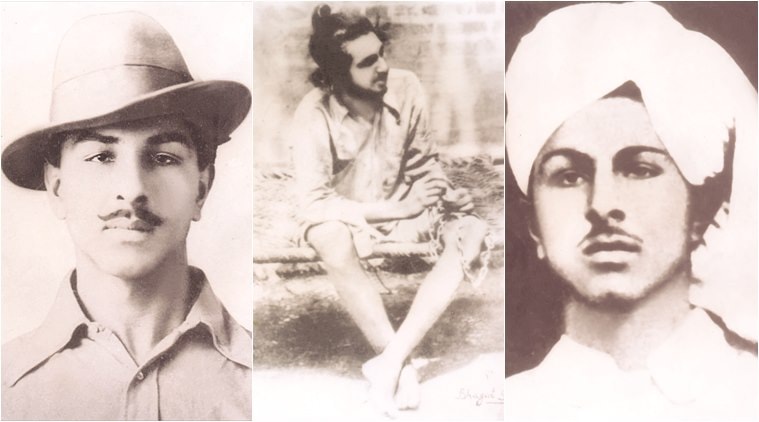
In defence of a revolutionary - Reopening the trial of Shaheed Bhagat Singh and his team - IndianExpress


Eighty-five years after the hanging of Bhagat Singh, lawyers from India and Pakistan have joined hands to re-open, and overturn, the sham trial that led to his death.

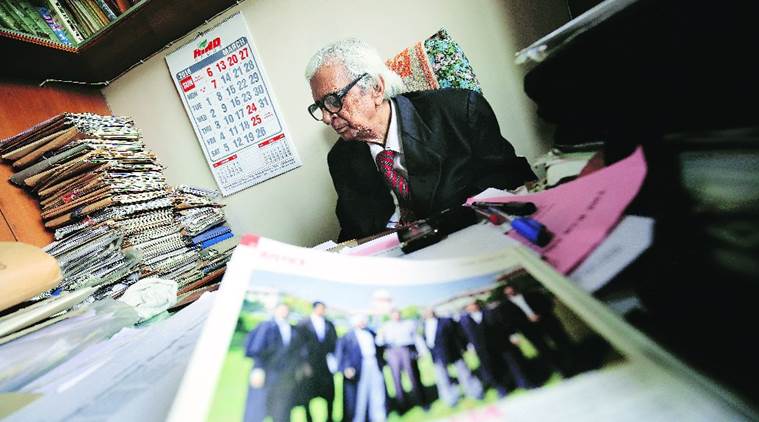
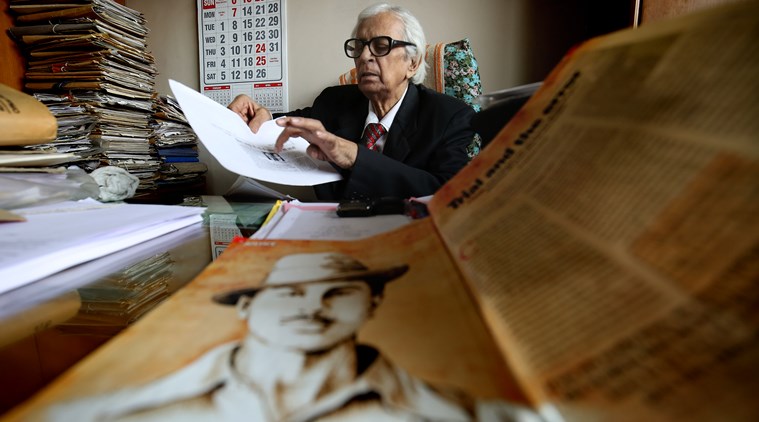
In a dark, poky room that constitutes his chamber in the new block of the Supreme Court, Delhi, Nafis Siddiqui, a 77-year-old criminal lawyer, has been preparing for a most unorthodox case for the last two years. 

As part of his research, he has been reading up on cases where verdicts have been upended after long periods of time. He cites the case of George Stinney, a young boy, exonerated 70 years after his death by a court in US (in 2014), that found he was denied due process. Siddiqui points out another relevant trial; the ongoing legal battle between the British government and victims of Kenya’s Mau Mau emergency, who are demanding compensation 50 years after the events. “When it comes to infringement of fundamental rights, a delay in the matter is of no consequence,” he says.


With loose-flowing white hair, thick-framed glasses and oversized black coat, Siddiqui is an idiosyncratic figure. He pulls out a thick brown folder marked “Bhagat Singh”, with whom he has grown to be familiar through history books and family lore — Siddiqui’s father-in-law, Hasrat Mohani, a freedom fighter, communist and poet, credited for coining the slogan, “Inquilab Zindabad!”, had a great influence on the revolutionary. “I mostly handle cases of murder, and this is clearly a case of political murder,” he says.


Eighty-five years after the hanging of Bhagat Singh, a lawyer from Pakistan is trying to pull off what is either an audacious attempt to change the course of history, or a fool’s errand. In 2014, Siddiqui was approached by Lahore-based Imtiaz Rashid Qureshi — who has been fighting a lone battle to prove the innocence of Bhagat Singh — to advise him on his case. Qureshi’s petition, which was filed at the Lahore High Court in 2013, seeks to reopen the case of the hanging of Singh and his compatriots, Sukhdev Thapar and Shivaram Rajguru, whose death anniversary will be celebrated on March 23 as Martyrs’ Day. In February this year, a two-member division bench in Lahore referred the case to a larger bench. For Qureshi, who argued that only a bench of three or more members could undo the decision of the three-member bench that awarded the death sentence in 1930, it was a moment of victory.

The first breakthrough came in 2014 when the court handed him a copy of the original FIR for the murder of British police officer John Saunders lodged at Lahore’s Anarkali police station in December 1928. The FIR does not name any of the three accused.


This is just one of the many discrepancies of the Lahore Conspiracy Case, which lasted for nearly two years and is universally recognised as a sham trial. As AG Noorani detailed in his book, The Trial of Bhagat Singh, from the lower court to the tribunal to the Privy Council, it was a judgment that represented a total compromise of the legal process.

The accused remained absent through the proceedings and remained unrepresented. Halfway through the trial, an Indian judge, deemed sympathetic to the accused, was removed from the tribunal. Many other rules of law were flouted. In a scathing editorial that appeared in April 1931, in the Marathi newspaper Janata, soon after the hanging, BR Ambedkar called out the hypocrisy of the British who manipulated the trial for political ends.


“We are demanding two things, that the British government, through the Queen, apologise to both our countries, and pay compensation to the families of Bhagat Singh, Rajguru and Sukhdev,” says Qureshi over the phone from Lahore. Loquacious and deeply committed to the cause, he calls himself a “lover of Bhagat Singh” and runs a memorial in his name, the Bhagat Singh Memorial Foundation. “This is a case that unites the two countries and it proves that Pakistan, an Islamic state, can also be liberal. Let’s not forget the Quaid-e-Azam was the only leader to have publicly defended him.” In a speech he gave in the Central Assembly in 1929, Mohammad Ali Jinnah had famously expressed his sympathy for the revolutionaries.

Qureshi’s pursuit has had a ripple effect in India. In Ludhiana, the descendants of Sukhdev Thapar have recently written to the Indian government, demanding a copy of the FIR and papers related to the judgment. Ashok Thapar, (a great-nephew, his grandfather was the younger brother of Sukhdev), who runs the Shaheed Sukhdev Thapar Memorial Trust, says, “We want government support to go to Lahore and pursue this case, or we will file an RTI. As his blood relations, we have a claim.”


More than perhaps the verdict, the reopening of the trial is crucial for another reason. There is renewed hope that the court will order the release of about 164 files related to the case, which are with the Punjab Archives in Lahore. They have been treated as “sensitive”, and no historian or researcher has ever been allowed to access them, says Ludhiana-based Jagmohan Singh, a researcher on Bhagat Singh. He also happens to be Bhagat Singh’s nephew, born to his sister Bibi Amar Kaur. But, unlike the sustained campaign around the declassification of the Netaji files, these files have been neglected. Yet, they are a crucial part of setting the record straight.


“The trial may or may not change history, but it’s the right of the people to know what happened, and those files will help us get there,” says Shantanu Rajguru, a great-grandnephew of Shivaram Rajguru. The family lives in Pune and is currently putting together a biography on the revolutionary. It was Rajguru, known as the marksman of the group, who fired the shot that killed Saunders. But Rajguru, like Sukhdev (who was in charge of coordinating the operation to avenge the death of Lala Lajpat Rai), has been reduced to a footnote in history, believes Shantanu. The descendants of Sukhdev believe that the retrial should not be held in the name of Singh alone.

*****
Apart from the context of historicity, the trial is significant as a measure of the democratic struggle in Pakistan being led by the civil society. The effort to reinstate Bhagat Singh as an icon has gathered force in recent times, as he has emerged as a symbol for the secularists in their battle against illiberal forces. Singh belongs to the pantheon of heroes of the Indian subcontinent. He is venerated in Punjab where he was born. “The PIL is an important political and historical development in a country and a region where history is often distorted in textbooks, held hostage to nationalist expediencies and heroes like Bhagat Singh are simply whitewashed or relegated to a footnote,” says Raza Naeem, a social scientist and activist from Lahore, over an email interview.


While there is no official celebration of his martyrdom day in Pakistan, every year, on March 23, there is a gathering of activists at Shadman Chowk, next to Lahore Jail, where he was executed. Since 2001, there has been a movement demanding Shadman Chowk be renamed Bhagat Singh Chowk. The government agreed a few years ago, but capitulated when Islamist groups objected to the icon on grounds of his religious identity. In a conciliatory move last year, the government announced a package of Rs 8 crore, for the restoration of his ancestral house in Faisalabad district.

“I have attended the annual gathering at the chowk for a few years and every year, the movement has grown,” says Haroon Khalid, Pakistani author and journalist. “It is now part of the broader debate that seeks to widen the horizons of Pakistani nationalism by incorporating non-Muslim heroes as well. Another interesting dynamic of this movement is that it also comes at a time when the Pakistani state actively wants to re-project itself as a liberal secular state. There has been particular focus on the protection and promoting of Sikh heritage in the country. Bhagat Singh is seen in that broader framework of this Sikh heritage,” he says.

*****


(The other aspects touched in the original article are not subscribed to or agreeable with me. It would be a narrow approach to stifle the Patriotic actions of the Revolutionaries under the Colonial Rule to a set of political isms. It is also equally wrong and disruptive to equate those Revolutionaries in the real sense to the present ongoing events involving a  few misguided, politically motivated individuals.)

SOURCE - 

http://indianexpress.com/article/india/india-news-india/freedom-fighter-bhagat-singh-inquilab-zindabad-supreme-court-nafis-siddiqui-george-stinney-hasrat-mohani-in-defence-of-a-revolutionary/#sthash.WNn5MgTv.dpuf

Friday, February 12, 2016

Burberry faces U.S. lawsuit accusing it of deceptive price tags


British luxury fashion brand Burberry is to face a class action lawsuit in the United States, claiming it used misleading price tags at its outlets stores to fool shoppers into believing they were getting big bargains.

The company, which specifically manufactures some of the products for its outlet stores, is accused of intentionally presenting false price information on products that have never been sold in its retail stores to mislead customers.

Outlet stores typically sell excess or old stock at a discount, although some retailers also manufacture goods specifically for them.

The lawsuit in the latest in a long line of cases accusing luxury retailers of marking up goods sold in outlet stores with made-up manufacturer prices.

Last year, U.S. retailer Michael Kors had agreed to pay $4.88 million and change its sales practices to settle a similar class action lawsuit after it was accused of creating an "illusion" of deep discounts.

(Reporting by Li-mei Hoang)

Source - http://mobile.reuters.com/article/idUSKCN0VL0NT

Sunday, September 7, 2014

How government agencies fast-tracked Lavasa | Features | Environment


Lavasa, the picturesque planned hill station being developed by Hindustan Construction Company (HCC) near Pune, is facing charges of illegal land acquisition and environmental violations and construction has been stayed pending an inquiry. 


This article says that the focus should be not on the misdemeanours of the corporation but on the collusions and oversights of government

The bureaucracy moves at snail’s pace in India. But look at the speed with which the Lavasa project, currently under scrutiny from the Environment Ministry and construction stayed pending scrutiny of irregularities in sanctions granted to the project, was sanctioned. Clearance was granted within months of its application of purpose, indeed even before the application was submitted to the concerned departments and ministries!

Thousands of scheduled caste and scheduled tribe families in this Mulshi-Maval region have languished for decades without caste certificates to support their legal entitlements to the land, or access to basic services. The ignorance of these poor families -- nomadic tribes (Dhangar) and tribal communities (Koli, Katkar, Thakar and Marathas) residing in small community hamlets -- worked in favour of Hindustan Construction Company (HCC) and the state of Maharashtra.

Had it not been for the voices of a few concerned citizens of Pune city, who recognised the long-term implications of such a massive infrastructure project, the socio-environmental consequences of the project would never have come to light.

Brand ‘Lavasa’

Lavasa Corporation was originally registered as Pearly Blue Lake Resort Private Limited Company, in 2000. The project was a business hotel to be developed on the banks of Warasgaon lake in Mose valley, Mulshi block, Pune district. The company changed its name to Lake City Corporation Pvt Ltd on December 12, 2000. Later, in June 2004, it changed it again to Lavasa Corporation Limited (International Securities Identification Number INE172G01016).

The hill station project is being driven by a consortium of companies led by Hindustan Construction Company (HCC), which holds 65% of the stake in Lavasa through its real estate subsidiary HCC Realty. Other investors include the L M Thapar Group and Venkateshwara Hatcheries, besides several minority shareholders with 35% equity.

The project in a nutshell

Lavasa is a sprawling private real estate project, 65 km from the city of Pune in Maharashtra, nestled amidst 18 hills and 975 metres above sea level.

The project was approved under Section 20 (3) of the MRTP on July 15, 2000. Accordingly, the Maharashtra Urban Development Department declared 18 villages in Mulshi and Velhe block -- a total of 25,000 acres of land -- part of the project. Since then, the inhabitants of around 20 villages have faced eviction, land alienation, harassment by project officials, cheating by the land mafia and company agents, denial of community access to freshwater bodies, river, temples and common roads. And the destruction of their natural habitat and forests.

The people of these villages comprise poor marginal farmers who depend heavily on traditional farming techniques, livestock rearing, collection of non-timber forest produce, fishing, daily wage labour, and collection of natural resources. Though they have been living in the area for generations, it was only in 1964 that poor landless and socio-economically backward families were allotted excess ceiling lands under the Maharashtra Agricultural Lands (Ceiling on Holdings) Act, 1961. They made these lands cultivable and survived on them without any support from the government.

In 1974, construction of Warasgaon dam began, and of the scores of families displaced only a few were given compensatory land in Daund taluka (125 km from Pune). Many were left in the affected area to fend for themselves, without adequate compensation or rehabilitation.

Thirty years on, the Lavasa township project has brought back painful memories.

The completion target for the Lavasa project is 2022. It is being planned in four phases. The overall size of the project is said to be almost one-fourth the size of Mumbai city.

Role of the state government

The Maharashtra state government has supported the project wholeheartedly, be it in granting permission for land acquisition by denotifying ceiling lands, transferring lands belonging to the Maharashtra Krishna Valley Development Corporation reserved for public purposes, granting of environmental clearance, no-objection certificates and forest clearance. Above all, obtaining a no-objection from the zilla parishad for changes in local infrastructure, etc.

Facilitating corporate land grab

The Maharashtra government notification dated November 26, 1996 relating to the Maharashtra Regional and Town Planning (MRTP) Act 1966 that proposed the development of hilly areas throughout the state as hill-stations and resorts is at the root of issues related to land acquisition for hill station development. The notification was introduced to circumvent regional plans so as to make it easy for land sharks to claim the valleys. It has been contentious on the grounds that the regulations have been framed for the benefit of moneyed companies and the commercial exploitation of scenic places.

1. Clause 17 of the notification deprives the collector of discretionary powers to be exercised for the benefit of tribals.

2. The notification also impinges on the provisions of the Maharashtra Agricultural Land Acts 1961, The Maharashtra Land Revenue 1968, which relates to the transfer of land from tribals to non-tribals.

3. The other acts contravened are the Maharashtra Land Revenue (disposal of government land) Rules 1971, the Indian Forest Act, 1927 and the Forest Conservation Acts, 1980.

4. The notification also allows disposal of up to 2,000 hectares (20 sq km) of agricultural land against 21 hectares earlier imposed under the provisions of the Maharashtra Agricultural Land Acts, 1961.

Land notified for Lavasa

In 2000, the Maharashtra government declared around 12,500 hectares of land for development of a hill station. Initially, the proposal was for a small lake city project; this later spread to revenue villages in Mulshi and Velhe blocks, including Daswe, Mugaon, Lavharde, Vegre, Bhode, Pathershet, Bombatmal, Palase, Admal, Padalghar, Wadavali, Sakhari, Bhoini, Koloshi, Ugavali, Dhamanhol and Gadale, in Mulshi block, and Mose Budruk, Shiv Budruk and Varasgaon in Velhe block. The land acquisition was carried out by three different departments -- the irrigation department (Maharashtra Krishna Valley Development Corporation [MKVDC]), forest department, and revenue department. It involved the acquisition of 2,500 acres of plantation land in two blocks, for which permission was granted by the forest department. It is worth mentioning here that on November 13, 1999, the Director, Town Planning, Pune, gave a report clearly stating that the land was forest land. The irrigation department allocated 141.15 hectares of land on lease to the company at a royalty of as little as Rs 275,250 per annum.

Though Lavasa claims it has not constructed on forest land, it cannot deny that roads have been built or pass through forest land for which hundreds of trees have been cut. One wonders how the local forest department allowed this without forest clearance from the central Ministry of Environment and Forests (MoEF). The forest officer of Khanapur, Haveli block, gave permission under the Maharashtra State Tree Felling Rules (Amendment) 1964 to cut trees and shrubs in the project area.

The MKVDC land allotted to the Lavasa project was reserved for public purposes. Interestingly, the same land had been claimed a number of times by people affected by the Warasgaon dam project; their claims were denied on grounds that the land was supposed to be used for public purposes. The company acquired the land on the basis of a 99 to 999-year lease.

Private land transactions

Over the past one-and-a-half decade, every land sale and purchase in Pune district has revealed the involvement of the land mafia. There are rumours about Lavasa too. From Daswe, where the company has built its first-phase dream town, to Mugaon village, which is being developed in the second phase, there is talk of forcible acquisition and purchase of land, forged signatures, misuse of power-of-attorney, community land disputes, devasthan land disputes, and joint ownership disputes.

Since 1996-97, when the land deals were initiated, companies like Pearly Blue Lake Resort and Aqua Land Pvt Ltd were also involved in the purchase of land. The company is supposed to have looped in several real estate agents to buy land for as little as Rs 500-Rs 5,000 per acre. Land agents from the villages and from Pune city, made small initial payments to the landholders, with promises of huge sums later. Most of the lands acquired from the Dhangar, Koli and Maratha communities are ceiling and inami (gifted) land distributed by the state government to the landless in the 1970s.

Locals recall that the district revenue officer and agents used to come together and discuss ceiling and inami lands in various villages. This caused a lot of apprehension, with people hurriedly collecting their land records. Some paid close to Rs 10,000 to the local talathi for copies of their land entitlements (7/12).

Agents and brokers are said to have played an important role in the land grab. In many instances, they bought 2 acres of land and registered about 10-17 acres. There are cases where the 2007 land records show ownership in the name of a local family, but records dated around the same time show a change in title name. In Mugaon village alone, 67 tribal families claim they lost 330 acres of land and did not receive any compensation. After being forcibly evicted, they realised that they no longer owned the land because the new land records did not show their names!

According to a letter written by the district collector, Pune, dated 4/7/2001, it is suggested that adivasi land cannot be acquired or transferred without consent from the competent authority. Likewise, forest land that has been affected by development projects like dams cannot be acquired without permission from the competent authority. Type-2 land or government land such as adivasi land, watani land, tenancy land, devasthan land, sites reserved for rehabilitation etc also cannot be acquired without permission from the competent authority. Most of these types of land would have been acquired for the Lavasa project with permission from the district collector, who is the competent authority under the MRTP Act, 1966. Lavasa Corporation has also been given approximately 1,042 acres of government land at a nominal price.

According to local residents, the agent who did most of the land deals, especially tribal lands in the villages of Dhamanhol and Mugaon, promised people jobs in the company and construction of a temple and other facilities in the village if people parted with their lands. In the few cases where villagers filed complaints against Lavasa Corporation, the government conducted an inquiry. Some cases were resolved, but others in Dhaman Ohal, Gadle, Sakhari and Mugaon carry on.

The role of the talathi and tehsildar is extremely important in all these cases of land transfer. Most people whose lands have been transferred to the company’s name have been struggling to access current land records. Filing appeals with the authorities has so far been unsatisfactory.

Ceiling land transfer to the company

According to the Maharashtra Agricultural Lands (Ceiling on Holdings) Act, 1961, Article 27, ceiling land should be distributed among the landless, poor and socially deprived. However, the revenue department (letter dated 5/3/2005), Pune, believes otherwise. The district collector argued in favour of the company, allotting it excess ceiling lands amounting to 373 hectares. In 1976, in the villages of Mauje Gadale, Dhamanohol, Mugaon and Wadiwale, a total of 372 hectares was found in excess of the ceiling but was not taken under possession, under the Land Ceiling Act, Section 21 (4). In 2005, the then district collector suggested that if the land were given to the company instead, the government would benefit.

Moreover, land measuring 609 hectares that had been given to landless farmers for agriculture under the Maharashtra Land Ceiling Act (especially those belonging to katkari tribe families) was taken back and transferred to Lavasa.

Water resource privatisation

According to a letter written by the district collector, Pune, (dated 4/7/2001), the company is barred from claiming any rights over and disturbance to water resources such as streams, ponds, dams, freshwater sources, natural springs, etc. Nor can the company claim rights to civic amenities like traditional riparian rights, public roads, lanes, roadways, etc. However, Lavasa Corporation is allowed to build eight weirs (walls that control the flow of water) in the backwaters of Warasgaon dam for commercial use -- water sports, water villas, tanks, and water parks.

The company’s plans include the building of 10 captive mini dams which will definitely affect local riparian rights. After Lavasa built the Daswe check dam, villagers and their cattle have been denied access to water. Heavy security has been put in place by the company to safeguard its territory. In Mugaon village, the katkari hamlet has been suffering due to lack of fresh water. The company denies them access to the reservoir, the catchment of which will supply water to the project, saying that they should either relocate or face the consequences. The waterbody that is supposed to be a community resource has become the company’s private resource, strengthening its power to harass poor villagers and force them to live without basic resources.

In the few years since the Daswe check dam was constructed, there has been no water downstream during summer, whereas, because of the dam, Lavasa does not suffer. This means that the natural flow and storage of water in the valley has been greatly affected by massive construction and infrastructural changes.

Transfer of Maharashtra Krishna Valley Development Corporation land

In the lease agreement dated August 28, 2002, the Khadakvasla Irrigation Division allotted 141.15 hectares of land belonging to the Maharashtra Krishna Valley Development Corporation, on lease for 30 years from September 2, 2002, to the Lake City Corporation. A PIL against this move is ongoing in the Bombay High Court since November 15, 2006. According to the PIL, there are several irregularities in the way the government has dealt with Lavasa Corporation. According to the rules, excess land under the Maharashtra Krishna Valley Development Corporation can only be used and transferred for a ‘public purpose’, not for private use. The PIL challenges the transfer of MKVDC land to Lavasa Corporation, alleging political favouritism.

It is worth noting that the land that MKVDC transferred to Lake City Corporation belonged to villagers displaced during construction of Warasgaon dam in the 1970s. Since then, the villagers have made several appeals with the irrigation department to hand the remaining unutilised land back to the families. The department paid no heed to the requests; instead, the land was given to the company within three days of signing the MoU.

The company has also got permission from the Khadakvasla Irrigation Division to use water from Warasgaon and Temghar dams. The Khadakvasla reservoir, on the Mose river, was built to meet the water requirements of Pune city. It has a capacity of around 11.5 TMC, almost equalling Pune’s annual needs.

Pune is a fast-growing city, and the problem of water scarcity is a real one. Allowing huge amounts of water to be used by Lavasa Corporation, not only for drinking purposes but for water sports, hotels etc, will worsen the water crisis. No impact assessment has been carried out.

Environmental violations

According to Lavasa’s environment impact assessment (EIA) report, prepared by NEERI, 50% of the area is covered by vegetation, 23.39% by forests. Construction of the huge lake town, and a population of 200,000 during peak time, will undeniably impact the area’s flora and fauna. The report states that 43% of flora in the study area consists of medicinal plants. It does not feature any impact mitigation or preservation plan.

Mulshi and Velha valley, where the project is coming up, experiences some of the heaviest rainfall in the world. The area is lush with tropical vegetation and it is imperative that, considering the fragility of the Western Ghats, it be left undisturbed. Construction activity is drastically altering the natural landscape, opening the valley and entire ghats region up to environment degradation. This will have an impact on rainfall patterns in the long run.

A document by the Maharashtra government, dated April 12, 2004, permits Lavasa a ‘stone-crushing’ unit under the ‘orange’ category of small-scale industries, for which the hills have been cut. Another letter from the revenue collector, dated July 15, 2003, allows the company to quarry for Daswe. These permissions from the governing authorities, with no strict compliance norms and no studies on the impact of these activities on the fragile biodiversity of the hills, will cause enormous damage to the Sahyadri hills. The continuous crushing, quarrying and ferrying of raw materials in the project area has already had an impact on the local environment.

The recent show cause notice issued by the central Ministry of Environment and Forests (MoEF) to the company clearly shows that the company has flouted the environmental laws. The project was supposed to take environment clearance from the MoEF, under the Environment Impact Assessment Notification of 1994. But it never approached the ministry. Rather, the project took environmental clearance from the environment department of the state government which is not competent to do so.

Parts of the project are at an altitude of over 1,000 metres; roads pass through forest areas; about 10 dams are to be constructed; the project is for more than 1,000 persons; and investments cross Rs 50 crore. All these factors call for environmental clearance under the 1994 notification. The company sought environmental clearance in 2004 when the aforesaid notification was binding on any project. Instead, environmental clearance was granted by the environment department of Maharashtra, and within record time of around two months, on 18-3-2004, vide letter No Env/Cle/765/CR.105/TC. In the letter, the environment department does not mention that clearance has been issued under EIA Notification 1994. It can also be construed from this letter that the department did not issue the specific environment clearance prescribed under EIA Notification 1994 but a general clearance letter identical to a routine NOC issued by the department.

On September 4, 2005, the central MoEF wrote to the government of Maharashtra saying that construction at Lavasa was being carried out without the mandatory environmental clearance required under the Environment Impact Assessment Notification of 1994. Notwithstanding these instructions, various authorities in the Government of Maharashtra shut their eyes and took no action on the matter. The company is in violation of the Environment Protection Act, 1986.

Incidentally, environment clearance was issued for development of a 2,000-hectare township hill station. However, the company is developing more than 25,000 hectares -- a clear violation of conditions imposed by the environmental clearance letter.

Lavasa, a fast-track project


During 2002-03, 31 no-objection certificates (NOCs) were granted to Lake City Corporation (later changed to Lavasa Corporation) by various departments such as the MKVDC, Konkan Irrigation Department, Maharashtra Tourism Development Corporation and Maharashtra Pollution Control Board. These were for construction of mini-dams and impounding of water for commercial use, tree felling, quarrying, stone crushing and purchasing land for industrial use.

Some of the MoUs and clearances granted to Lake City/Lavasa Corporation in 2002-03 from various departments of the Maharashtra government are:

  • May 30, 2002: NOC (No BO/TB/RO (HQ) Pune-163/444) for development, from the Maharashtra Pollution Control Board
  • June 5, 2002: MoU between Lake City Corporation and Maharashtra Tourism Development Corporation
  • July 4, 2002: Maharashtra Krishna Valley Development Corporation’s (MKVDC) NOC (No TPD/ADM2/RBR/2543) to construct DTR
  • July 16, 2002: MKVDC’s permission (No KID/ADM/4891/2002) to construct dams and store water
  • August 9, 2002: Irrigation department, Konkan region, NOC (No 89.01/(18/2002)/U-5/3074) to construct dams and store water
  • September 23, 2002: 30-year lease agreement between MKVDC and Lake City Corporation for construction of mini-dams in the submergence area of Warasgaon dam and impounding of water for commercial use
  • December 11, 2002: Permission (No DI/Land Permission/255/2002 C-17386) from the industries department to buy land for industrial purposes
  • December 13, 2002: NOC from the environment department (No ENV (NOC) 2000/765/CR.105/TC.1) for development
  • January 2, 2003: Forest department’s tree-felling permission (No B/M/907/2002-03) for DTR/RFO, Khanapur
  • January 10, 2003: Tree-felling permission from the forest department (No 576/2002-03) for DTR/RFO, Paud
  • March 12, 2003: Land-use certificate (No DDTP-Pune/Final RP Pune/Zone Cert/822) from the town planning department
  • April 10, 2003: MKVDC permission (No PB-4/KID/91/203) to carry out preliminary works
  • July 15, 2003: Quarrying permission (No Mining/SR/391/2003) from the revenue collector for Daswe
  • December 20, 2003: Irrigation department (Konkan region) agreement to construct dams and store water
  • March 18, 2004: Environmental clearance (No ENV/cle/765/CR-105/TC.1) for project

So, who is responsible for the controversy that surrounds Lavasa? The state knowingly ignored all attempts to assess the project before clearing it. It is the responsibility of the state and its agencies to make corporations abide by the rules of the land. In this case, Lavasa flouted several regulations, thanks to state support given in the form of various clearances. Over the past five years, attempts by environmentalists, social activists and villagers to raise the issue at all levels of government have failed. It’s time the state government made its position clear. As Plato rightly said: “The community suffers nothing very terrible if its cobblers are bad and become degenerate and pretentious; but if the guardians of its laws and constitution, who alone have the opportunity to bring it good government and prosperity, become a mere sham, then clearly it is completely ruined.”

To read the stand of the Lavasa developers, read this interaction with Ajit Gulabchand, Chairman and Managing Director, Hindustan Construction Company, at http://www.indianexpress.com/news/the-environment-ministry-does-not-have-measurable-standards.-so-how-do-you-know-what-and-whom-to-deal-with/735248/


References
1 Interim Report of the People’s Commission of Inquiry on Displacement in Sahyadri Region, April 20, 2009
2 Technical Analysis Report of EIA of Lavasa Corporation-Lake Town at Moshe valley, Pune district, 2009
3 Committee on Land Reform, Ministry of Rural Development, GOI, Visit to Maharashtra Report, April 3, 2008
4 Letter written by the district collector, Pune, to the revenue department, Pune, dated 9/1/2005
5 Environment clearance letter No Env Cl/765/CR105/TC.1, environment department, government of Maharashtra, March 18, 2004
6 Forest department’s tree-felling permission (No B/M/907/2002-03) for DTR/RFO, Khanapur, January 2, 2003
7 30-year lease agreement between MKVDC and Lake City Corporation for construction of mini-dams in the submergence area of Warasgaon dam, and impounding of water for commercial use, September 23, 2002
8 Urban development department under notification No TPS-1800/1004/ CR-106/2000/UD-13, dated 1/6/2001
9 Letter written by the district collector, Pune, dated 4/7/2001

(Rifat Mumtaz works on developmental issues with a focus on land rights and the environment. She is with NCAS, Pune)

Source - Infochange News & Features, January 2011 -
How government agencies fast-tracked Lavasa | Features | Environment